A Parent’s Guide to Selecting Baby Toys That Nurture Early Phonics Skills
Introduction
Every new parent quickly learns that a baby’s world is built through play. The soft rattle, the crinkly book, the musical mobile—each toy offers a tiny window into discovery. But as your little one grows, the question of *which* toys to choose becomes more nuanced, especially when you begin thinking about language development. Phonics—the method of teaching reading by correlating sounds with letters—might seem like a topic for preschoolers, but its foundation is actually laid much earlier. In fact, the first year of life is a critical window for auditory discrimination, sound repetition, and vocal exploration. This article will guide you through how to choose toys for babies that not only entertain but also gently pave the way for phonics readiness. We will explore developmental stages, safety, and the specific features that make a toy a true language-learning ally.
—
1. Understanding the Link Between Baby Play and Phonics
Phonics is not about flashcards or drills for infants. Instead, it begins with phonological awareness—the ability to hear, identify, and manipulate the spoken parts of words. A newborn’s brain is wired to absorb the rhythms, tones, and patterns of speech. Toys that produce varied sounds, encourage babbling, and introduce simple word patterns help build this awareness. For example, a toy that plays a nursery rhyme with a clear beat helps a baby recognize syllable stress. A plush animal that says “ba-ba-ba” invites imitation. When choosing toys, look for those that emphasize auditory variety, repetition, and interaction with a caregiver’s voice.
—
2. Age-by-Age Guide to Phonics-Friendly Toys
0–3 Months: Sensory Foundations
At this stage, babies are drawn to high-contrast patterns, gentle sounds, and faces. The best toys for early phonemic awareness are those that expose them to human voice and simple, rhythmic noise.
- Soft musical rattles: Look for ones with a consistent, gentle tone (e.g., a chime rather than a harsh bell). The predictability of sound helps the brain begin to categorize auditory input.
- Unbreakable mirror with sound: A mirror that plays a soft lullaby when touched encourages both visual tracking and listening.
- Parent-facing infant seat with mobile: Mobiles that play classical music or nature sounds (like birdsong) expose the baby to varied tonal patterns.
4–6 Months: Babbling Begins
This is the golden age of cooing and babbling. Toys should reward vocalization and introduce cause-and-effect sound relationships.
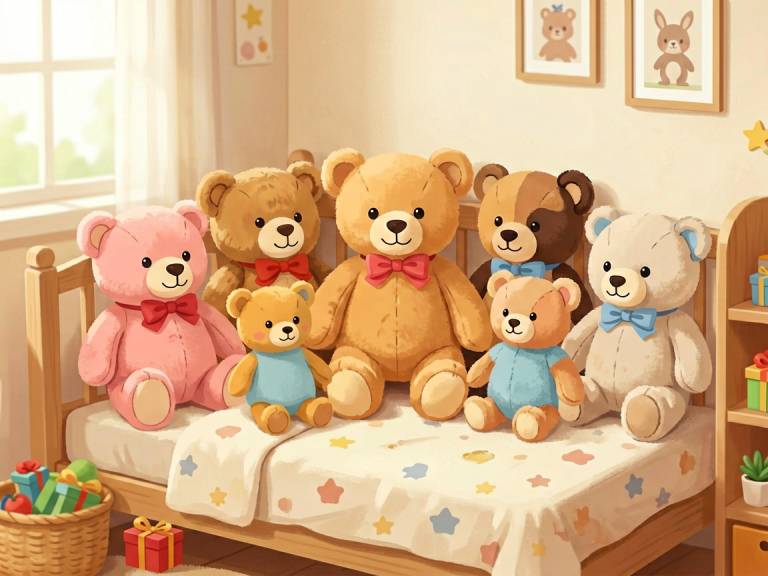
- Talking plush toys: Those that repeat a simple phrase like “mama” or “dada” when squeezed. The repetition reinforces sound–object connections.
- Crinkle fabric blocks: The crinkle sound is often a baby’s first experience with non-vocal sound variation. Pair crinkle blocks with caregiver narration: “Crinkle, crinkle, little star!”
- Musical floor mat: A mat with piano keys that produce different notes when kicked. Each note changes pitch, teaching the ear to distinguish vowel-like sounds.
7–12 Months: Sound Imitation and Word Play
As babies approach their first birthday, they start mimicking sounds and showing interest in books. Phonics progress is measured by their ability to produce consonant-vowel combinations and respond to simple commands.
- Board books with texture and sound buttons: Look for books that highlight one word per page with a corresponding sound (e.g., a cow with a “moo” button). This directly links a spoken sound to a visual symbol—a precursor to phonics.
- Puzzle with spoken names: Some baby puzzles have a frame that says the animal name when the piece is inserted. This strengthens the association between a sound (phoneme) and a word.
- Toy phone or microphone: Toys that allow babies to “call” a relative or hear their own voice amplified encourage vocal experimentation.
—
3. Key Features to Look for in Phonics-Oriented Toys
Auditory Richness
The toy should produce a variety of clear, distinct sounds. Avoid toys that only play one monotone beep. Instead, choose ones that offer different pitches, rhythms, and volumes. For example, a xylophone with colored keys teaches that hitting a larger bar produces a deeper sound—this is an early lesson in acoustic variation.
Repetition with Variation
Babies learn through repetition, but they also need slight variation to stay engaged. A toy that says “ba, ba, ba” then “da, da, da” helps them distinguish similar phonemes. Look for toys that have multiple sound modes or interchangeable sound cards.
Caregiver Interaction
The most powerful phonics tool is still a parent’s voice. The best baby toys are those that *invite* you to sing, talk, or read along. A simple set of stacking cups becomes a phonics tool when you say “up, up, up” as you stack and “down, down, down” as you topple them. Toys that have a “repeat after me” feature (like some talking bears) can model call-and-response.
Safety and Sensory Appropriateness
For infants, every toy must pass safety checks: no small parts, non-toxic materials, rounded edges, and secure battery compartments. Additionally, consider sensory overload. Too many flashing lights and loud, chaotic noises can overstimulate a baby’s developing auditory system. Choose toys with adjustable volume or a “quiet” mode.
—
4. Practical Tips for Building a Phonics-Friendly Toy Collection
Less Is More
You don’t need a nursery full of expensive electronic gadgets. A few well-chosen toys, rotated regularly, are far more effective. For example, during the babbling stage, rotate between a musical teether, a rattle glove (attached to baby’s hand), and a soft book with animal sounds. Overexposure to the same toy leads to habituation; rotation keeps the brain attentive.
Pair Toys with Verbal Routines
Every toy can be turned into a phonics lesson if you narrate your play. When your baby pushes a stacking ring down the cone, say “down, down, down” in a sing-song voice. When they shake a bell, say “shake, shake, shake. That’s a high sound!” This verbal tagging helps them connect words to actions and sounds.
Incorporate Music and Nursery Rhymes
Musical toys that play classic rhymes like “Twinkle, Twinkle, Little Star” or “Baa, Baa, Black Sheep” expose babies to rhyming patterns—a core component of phonics. The repeated endings (e.g., “star” and “are”) train the ear to detect word families. Consider a portable music player with a baby-safe speaker and a curated playlist.
Avoid “Talking Toys” That Do All the Work
Some electronic toys talk for the child rather than encouraging the child to speak. For example, a toy that says “A is for apple” as soon as the baby touches the letter does not require the baby to produce any sound. Instead, choose toys that prompt the baby to respond—like one that says “Can you say ‘ba’?” and waits for a sound before proceeding.
—
5. Common Misconceptions About Baby Toys and Phonics
Myth: Phonics toys are only for toddlers.
Reality: Phonological awareness begins in the womb. Newborns prefer the sound of their mother’s voice and can distinguish between languages. Toys that expose them to a variety of phonemes (the smallest units of sound) are beneficial from day one.
Myth: The more electronic features, the better.
Reality: Overly complex toys can distract from the core task of listening and imitating. A simple wooden shaker that produces a pure sound is often more effective than a plastic gadget with 50 random effects. The brain needs clear, isolated sounds to build neural pathways for phonics.
Myth: Babies don’t need phonics; they just need to hear speech.
Reality: Hearing everyday speech is vital, but targeted sound play accelerates language acquisition. A toy that isolates the “m” sound in “mama” and repeats it helps the baby’s brain focus on that phoneme, making it easier to reproduce later.
—
6. Recommended Toy Categories for Phonics Readiness
- Musical Instruments: Simple maracas, tambourines, and jingle bells. Shaking them in time with syllables (“BUM-ble-bee, BUM-ble-bee”) teaches rhythm.
- Sound-Activated Toys: A ball that makes different noises when rolled or tossed. The variety of sounds (e.g., a squeak, a bell, a rattle) encourages the baby to listen attentively.
- Picture Books with Sound Pads: Board books that have a separate sound panel with buttons for each page. As you read, press the button and say the word clearly.
- Felt or Fabric Storyboards: Interactive boards where you can attach animal figures with Velcro. As you place each animal, make its sound (“The cow says ‘moo’—moo, moo, moo”).
—
Conclusion
Choosing toys for your baby is an act of love, but it is also an investment in their cognitive and linguistic future. Phonics is not a subject to be taught later; it is a skill that begins with the very first sound they hear. By selecting toys that offer auditory richness, encourage caregiver interaction, and provide safe, repetitive sound patterns, you are giving your baby the gift of a strong phonological foundation. Remember, the best toy is still your own voice. Use these toys as tools—not teachers—and fill your playtime with songs, rhymes, and joyful babble. In doing so, you will nurture not just a love of words, but the ability to unlock them.
*(Word count: approximately 1,100)*