Essential Factors to Consider Before Buying Building Blocks
Introduction
Building blocks are more than just toys; they are powerful tools for cognitive development, creativity, and problem‑solving. From classic wooden cubes to sophisticated interlocking plastic systems, the market offers a dizzying array of options. However, making the wrong choice can lead to safety hazards, rapid loss of interest, or simply a waste of money. To help parents, educators, and gift‑givers make informed decisions, this article explores the critical factors that should be evaluated before purchasing building blocks. Each consideration—from age appropriateness to environmental impact—plays a significant role in ensuring that the building blocks provide a safe, enduring, and educationally valuable experience.
1. Age Appropriateness and Safety
The foremost factor is whether the building blocks suit the child’s developmental stage and physical abilities. Manufacturers typically label products with age recommendations, but these should not be taken lightly. For infants and toddlers (ages 1–3), large, lightweight blocks that are easy to grip and impossible to swallow are essential. Avoid sets with small parts that pose a choking hazard; the “small parts” test (any piece that can fit through a standard toilet paper tube) is a useful benchmark. Additionally, check for sharp edges, splinters (in wooden sets), or toxic paints and coatings. For preschoolers (ages 3–5), blocks with slightly smaller sizes and more intricate shapes can be introduced, but adult supervision is still wise. For older children and teens, compatibility with advanced construction techniques—such as gears, motors, or programmable elements—becomes relevant, but safety concerns shift toward mechanical pinch points and electrical safety if powered components are included.
2. Material Quality and Durability
Building blocks endure constant handling, dropping, and occasionally chewing. The material directly affects longevity and safety. Wooden blocks, typically made from beech, maple, or pine, offer a natural feel and excellent durability if they are well‑sanded and finished with non‑toxic sealants. However, low‑quality wood may splinter or warp over time. Plastic blocks, dominated by brands like LEGO, are usually made from ABS (acrylonitrile butadiene styrene) plastic, which is tough, impact‑resistant, and easy to clean. But cheaper alternatives may use brittle plastics that crack or lose clutch power (the ability to hold pieces together). For magnetic building blocks, ensure that the magnets are securely encased to prevent ingestion or swallowing. Foam blocks are soft and safe for very young children but compress and lose shape quickly. Evaluate whether the material can withstand repeated play and whether it meets international safety standards such as ASTM F963 (U.S.) or EN 71 (Europe).
3. Educational Value and Developmental Benefits
Not all building blocks are created equal in terms of learning potential. Consider what skills you want to foster: fine motor skills, spatial reasoning, problem‑solving, creativity, or even early mathematics and engineering concepts. Classic unit blocks (plain cubes, rectangles, arches) encourage open‑ended construction and balance experiments, which develop spatial awareness and physics intuition. Interlocking blocks (like LEGO) add the dimension of alignment and structural stability, teaching planning and patience. Some sets include numbers, letters, or patterns that integrate literacy and numeracy. More advanced systems, such as Gears! Gears! Gears! or K’NEX, introduce mechanical principles like torque and gear ratios. To maximize educational value, choose blocks that allow for multiple building possibilities rather than a single predetermined model. Sets with instruction manuals can guide beginners, but the ability to build original creations is crucial for sustaining creative growth.
4. Compatibility and Expandability
A common oversight is failing to consider whether a set can be combined with other existing collections or future purchases. Many families start with one brand and later regret the inability to mix pieces from different systems. Standardized sizes—such as the LEGO 2×4 brick dimensions—are widely used, but many off‑brand blocks are incompatible, leading to frustration. If you intend to build large structures or thematic worlds, compatibility is paramount. Check if the blocks are interoperable with popular lines, or if the brand offers expansion packs, themed sets, and supplementary elements like wheels, hinges, or figures. For magnetic blocks, ensure that the polarity and connection strength match across sets. Additionally, consider the availability of replacement parts. A set with exclusive pieces that cannot be purchased individually may become useless when a crucial piece is lost.
5. Budget and Long‑Term Value
Building blocks range from a few dollars for a small bag of generic plastic bricks to hundreds of dollars for elaborate licensed sets (e.g., LEGO Star Wars). The initial price is only one part of the equation. High‑quality blocks, though more expensive, often offer superior durability and resale value. Conversely, ultra‑cheap sets may degrade quickly and fail to engage a child, resulting in a higher cost per hour of play. Calculate the “cost per piece” as a rough indicator, but also factor in the diversity of pieces. A set with many specialized, single‑use pieces (e.g., a specific spaceship hull) might have limited replay value compared to a set of versatile bricks. Consider buying larger base sets rather than multiple small themed kits, because core blocks offer more creative freedom. For parents on a budget, second‑hand markets (e.g., eBay, Facebook Marketplace) can be treasure troves of gently used blocks, provided they are thoroughly cleaned and inspected.
6. Storage and Organization
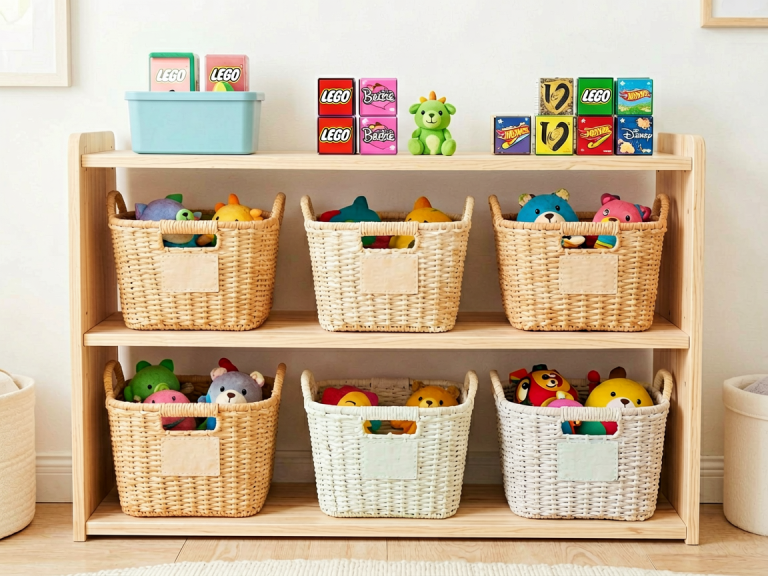
Building blocks inevitably scatter across floors, under sofas, and into vacuum cleaners. Without a proper storage system, playtime becomes a nightmare of lost pieces and parental frustration. Before buying, ask yourself: Does the set come with a storage bin or bag? How easy is it to sort and retrieve specific pieces? Many high‑end brands sell dedicated storage solutions (e.g., LEGO sorting trays or drawers), but these can be purchased separately. For small children, consider sets with a large container that doubles as a playmat (like some magnetic tile sets) to contain the mess. For older children, a system with multiple compartments—by color, size, or type—encourages organization skills. Also, think about portability: if the blocks will be taken to school, grandparents’ house, or on trips, a compact carrying case is essential. Poor storage leads to lost pieces, which in turn diminishes the longevity of the set.
7. Brand Reputation and Reviews
While brand loyalty is not always necessary, established names have a track record of quality control, safety compliance, and customer service. LEGO, for example, is renowned for its tight manufacturing tolerances and replacement part policy. Other well‑regarded brands include Melissa & Doug (wooden blocks), Magna‑Tiles (magnetic), and Learning Resources (educational sets). However, smaller brands or generic alternatives can offer excellent value if they meet safety standards and have positive user reviews. Before purchasing, read multiple reviews on retailer sites, parenting forums, or YouTube unboxing videos. Pay attention to comments about color consistency, ease of assembly, and whether the pieces stay together as expected. Be wary of counterfeit products, especially for popular lines, as they may use inferior materials or toxic dyes. Checking for certifications like the toy industry’s “TOTY” award or the “Good Housekeeping Seal” can add confidence.
8. Environmental and Ethical Considerations
Sustainability is increasingly important for many families. The production of plastic building blocks contributes to petroleum consumption and plastic waste. Some manufacturers now use plant‑based plastics (e.g., LEGO’s elements made from sugarcane) or recycled materials. For wooden blocks, look for Forest Stewardship Council (FSC) certification, ensuring the wood is sourced from responsibly managed forests. Additionally, consider the packaging: excessive cardboard, single‑use plastic bags, and non‑recyclable inserts are common. Some brands offer take‑back programs or sell used blocks. Ethical aspects also include labor practices; avoid products from companies with a history of child labor or unsafe factories. While these factors may not be deal‑breakers for everyone, they align with teaching children to be mindful of the planet and fair trade.
9. Child’s Interests and Creativity
Finally, no analysis is complete without considering the unique personality and passions of the child. A child who loves animals may be thrilled by a zoo‑themed block set; a budding engineer might prefer gear‑based construction kits. However, be cautious of over‑theming. Sets that are too specific (e.g., a replica of the Taj Mahal) can limit imaginative play because the child feels pressured to build exactly what is shown. The best building blocks strike a balance: they offer a compelling theme to spark interest, yet include enough generic pieces to allow for original creations. Observe how the child plays with existing toys: do they prefer following instructions or inventing their own designs? For highly creative children, open‑ended sets (like classic unit blocks or a large bucket of basic LEGO bricks) are ideal. For rule‑followers, model‑specific kits can build confidence and patience. Communicating with the child (or asking their parents) before buying prevents disappointment.
Conclusion
Buying building blocks may seem straightforward, but the decision involves a nuanced interplay of safety, development, budget, and personalization. By evaluating age appropriateness, material quality, educational value, compatibility, and other factors outlined above, you can choose a set that not only entertains but also enriches a child’s growth over years. Remember that the best building blocks are those that are played with—not stored on a shelf. A thoughtful purchase today can inspire a lifetime of creativity, problem‑solving, and joyful building. Whether you opt for classic wooden cubes or high‑tech magnetic tiles, the key is to align the blocks with the child’s world while keeping practical considerations in mind. Happy building!