A Parent’s Guide: Deciding If Building Blocks Are Right for Your Child
Introduction
Every parent wants to choose toys that are not only entertaining but also beneficial for their child’s development. Building blocks have long been a classic staple in early childhood, praised by educators and child psychologists for their ability to foster creativity, problem-solving, and motor skills. Yet with countless toy options available today, it is natural to pause and ask: *Are building blocks truly the right choice for my child?* The answer is rarely a simple yes or no. This article provides a comprehensive framework to help you evaluate whether building blocks match your child’s age, temperament, developmental stage, and interests. By considering multiple factors—from cognitive benefits to safety and social interaction—you can make an informed decision that supports your child’s growth.
Understanding the Developmental Benefits of Building Blocks
Before deciding, it helps to understand what building blocks offer. Research shows that block play promotes spatial reasoning, hand-eye coordination, and fine motor control. When a child stacks, balances, or connects blocks, they experiment with gravity, symmetry, and cause-and-effect relationships. These activities also support early math concepts such as counting, sorting, and patterning. Moreover, block play encourages creativity and imagination—a child might transform a simple tower into a castle, a rocket, or a zoo enclosure.
For older children, blocks can introduce basic engineering principles. The open-ended nature of blocks means there is no single “correct” way to play, which fosters independence and resilience. If your child frequently engages in pretend play, enjoys constructing things with other toys (like LEGOs or train tracks), or shows curiosity about how things fit together, building blocks are likely a natural extension of their interests.
Age and Stage: Matching Blocks to Your Child’s Abilities
Not all blocks are created equal, and a child’s age and developmental stage are critical factors.
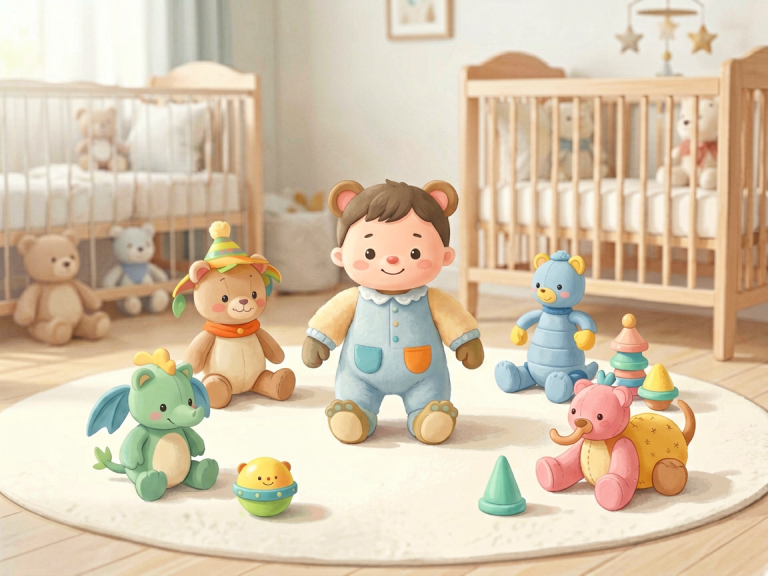
*Infants and Toddlers (6–24 months):* For the youngest children, soft fabric blocks or lightweight plastic blocks with large pieces are ideal. At this stage, children explore through mouthing, grasping, and dropping. Look for blocks that are easy to hold, have bright colors or contrasting patterns, and are free of small parts. Avoid hard wooden blocks that could cause injury if thrown. Blocks that make a gentle sound when shaken or stacked can also engage an infant’s senses.
*Preschoolers (2–4 years):* Toddlers and preschoolers benefit from larger wooden or plastic blocks that are easy to stack and knock down. At this age, children are beginning to understand balance and cause-and-effect. They may enjoy simple stacking games or creating low towers. Many parents find that sets with colorful shapes, letters, or numbers add an educational layer. However, avoid sets with too many small pieces if your child still tends to put things in their mouth.
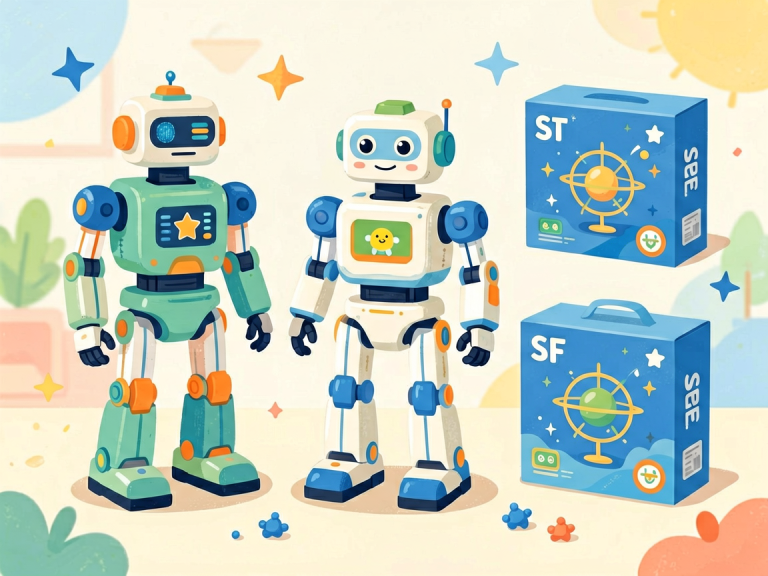
*School-Age Children (5+):* Older children can handle smaller, more intricate blocks such as classic LEGO bricks, magnetic tiles, or interlocking construction sets. These require greater fine motor control and patience. If your child can follow simple instructions or enjoys creating their own designs, building blocks can provide hours of engaging, screen-free play. Some advanced sets incorporate gears, wheels, or robotics, offering a bridge to STEM learning.
Observing Your Child’s Play Preferences
Every child has a unique play style. Some children gravitate toward open-ended, unstructured play, while others prefer toys with a clear goal or storyline. To decide if blocks are right for your child, spend time observing how they interact with other toys.
- *If your child loves creating, building, and designing:* Blocks are a perfect match. They allow endless variation and reward creativity.
- *If your child prefers narrative-driven play (e.g., with action figures, dolls, or play kitchens):* Blocks can still be introduced as “props” or building elements for scenes. For example, a few blocks can become a table, a fence, or a bridge in a dollhouse world.
- *If your child becomes quickly frustrated with tasks that require trial and error:* Building blocks may still be beneficial, but you may need to start with very simple goals (stacking two or three blocks) and offer encouragement. Some children need more guidance at first, and that is perfectly normal.
- *If your child has a short attention span or prefers high-movement activities:* Blocks might not hold their interest for long. In that case, consider incorporating blocks into a larger play circuit—for instance, using blocks to create ramps for cars or to build a “fort” for stuffed animals.
You can also try a “trial run.” Borrow a basic set of blocks from a friend or library, or buy an inexpensive starter set. Observe how your child engages with them. Do they return to the blocks on their own? Do they show pride in their creations? Do they ask for help when frustrated? These clues will tell you a great deal about the fit.
Safety Considerations and Material Choices
Safety is non-negotiable. When evaluating building blocks, consider the following:
- *Material:* Wooden blocks are durable and feel natural, but they can be heavy and cause injury if dropped. Soft foam or fabric blocks are safer for toddlers. Plastic blocks are lightweight and easy to clean, but ensure they are BPA-free and phthalate-free.
- *Size and choking hazards:* For children under three, any block smaller than 1.25 inches in diameter or that fits inside a toilet paper roll is a choking hazard. Always check age recommendations on the packaging.
- *Edges and finishes:* Blocks should have smooth, rounded edges and non-toxic paint. Avoid blocks with splinters, sharp corners, or loose small parts like glued-on decorations.
- *Durability:* Cheap blocks may break or chip, creating sharp edges. Invest in quality brands that are known for safety standards, especially if your child is a heavy user.
If your child has special needs or sensory sensitivities, you might also consider the texture, weight, and sound of the blocks. Some children prefer soft, silent foam blocks, while others enjoy the gentle clack of wooden ones.
Educational Value: Beyond Simple Play
Building blocks are often marketed as “educational toys,” but it is worth examining what that means for your child.
Blocks naturally support STEM learning—science (gravity, balance), technology (simple machines), engineering (structural integrity), and math (measurement, geometry). However, they also foster language development when you talk about shapes, colors, and actions (“Can you put the blue block on top of the red one?”). Social-emotional skills are strengthened when children build together, learning negotiation, sharing, and cooperation.
If your child is already in school, blocks can reinforce concepts learned in the classroom. For example, using blocks to visualize addition or fractions makes abstract ideas tangible. Blocks can also be a calming, focused activity for children who need a break from screens or high-energy play.
Nevertheless, not every child will naturally engage in “educational” block play. Some may simply enjoy knocking towers down—and that is fine too. The learning happens even in destruction, as children observe cause and effect. The key is not to force a specific outcome but to let the child lead the play.
When Building Blocks Might Not Be the Best Fit
While blocks are beneficial for most children, there are situations where they might not be the ideal choice—at least not right away.
- *If your child is highly sensitive to frustration:* Some children become overwhelmed when a tower falls or when they cannot make a structure stand. In such cases, try softer blocks that are easier to stack, or use large cardboard blocks that are less likely to tumble.
- *If your child has a strong preference for narrative or character-driven toys:* Blocks may feel too abstract. Combine blocks with figures, animal toys, or vehicles to spark imaginative play.
- *If your child has significant motor delays:* Use larger, lighter blocks that are easier to grasp. Consult with an occupational therapist for recommendations tailored to your child’s needs.
- *If your child is overly competitive:* When playing with siblings or friends, block building can lead to arguments over who gets certain pieces or whose structure is “better.” Set clear rules and emphasize cooperation over competition.
Remember, toys are tools, not prescriptions. If blocks do not immediately captivate your child, put them away for a few months and try again. Children’s interests change rapidly.
Practical Tips for Introducing Building Blocks
If you decide that building blocks are right for your child, here are some ways to maximize the experience:
- Start small. Introduce a modest set of blocks—perhaps 10–20 pieces—to avoid overwhelming your child. You can always add more later.
- Model play without directing. Sit beside your child and build your own simple structure. Talk about what you are doing (“I’m putting the square block on the bottom because it’s wide”). This invites imitation without pressure.
- Follow your child’s lead. If they want to line blocks up in a row instead of stacking, that’s fine. If they want to sort by color or count them, encourage it.
- Incorporate storytelling. “Let’s build a bridge for the teddy bear to cross the river!” This turns abstract blocks into a narrative adventure.
- Praise effort, not outcome. “You tried so hard to balance that block—great job!” This builds persistence.
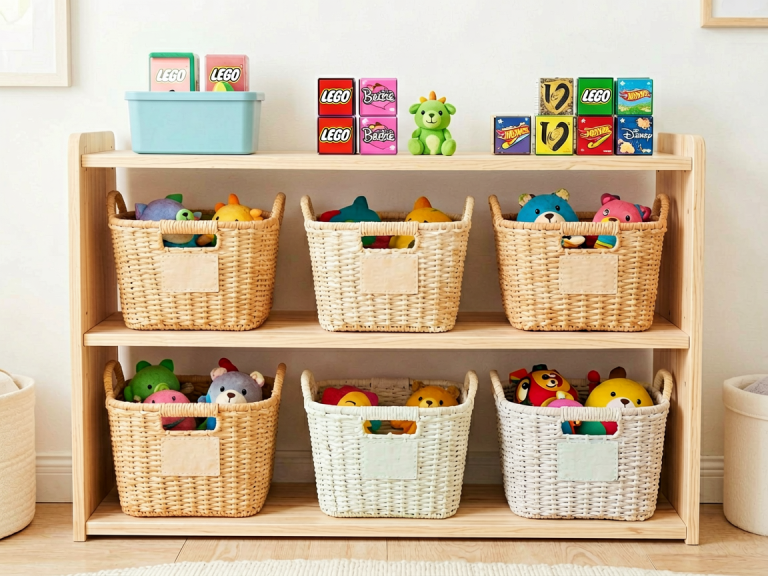
- Keep blocks accessible. Store blocks in a low, open bin so your child can reach them independently. Independence boosts engagement.
Conclusion
Deciding if building blocks are right for your child is not a one-size-fits-all question. It requires observing your child’s unique development, play style, and temperament, as well as considering safety, materials, and educational goals. Blocks offer tremendous benefits—cognitive, motor, social, and emotional—but the best toy is always one that matches your child’s current needs and sparks genuine joy.
If you are still uncertain, remember that blocks are one of the most forgiving toys. They are inexpensive, versatile, and easy to adapt. Even if your child only plays with them sporadically, the moments of focused building, creative problem-solving, and quiet satisfaction are well worth the small investment. Trust your instincts as a parent, experiment with a simple set, and watch how your child responds. More often than not, the blocks will find their place—right in the middle of growing up.