The Toy Trap: Why Buying Too Many Toys Harms Development and a Smarter Toy Buying Guide
—
Introduction
Walk into any family home with young children, and you are likely to step over a minefield of plastic dinosaurs, half-assembled train tracks, and forgotten dolls. The scene is so common that many parents accept it as normal. Yet beneath the colorful chaos lies a troubling pattern: we are buying too many toys. Driven by advertisements, peer pressure, and the genuine desire to delight our children, we accumulate mountains of playthings that quickly lose their appeal. But does quantity equal happiness? Research in child development and psychology suggests otherwise. This article explores why buying too many toys can be counterproductive and provides a practical, evidence-based toy buying guide to help parents make wiser choices for their children’s growth and well-being.
—
The Hidden Costs of Overabundance
1. Cognitive Overload and Reduced Focus
When a child is surrounded by dozens of toys, their attention becomes fragmented. A 2017 study published in *Infant Behavior and Development* found that toddlers played with fewer toys for longer periods when given four options, compared to when they were given sixteen. With too many choices, children flit from one item to another, never fully engaging in deep, imaginative play. This shallow interaction undermines the development of sustained concentration, problem-solving skills, and creativity. In essence, an excess of toys turns playtime into a chaotic browsing session rather than a meaningful learning experience.
2. Diminished Gratitude and Appreciation
The principle of scarcity applies to children as well. When toys arrive frequently and in large numbers, each new item loses its specialness. A child who receives a new action figure every week does not learn to cherish objects or understand the value of effort and patience. Over time, this can cultivate a sense of entitlement and a constant desire for novelty—a pattern that might extend into adulthood as compulsive consumption. Psychologists refer to this as the “hedonic treadmill,” where satisfaction is fleeting and the chase for more becomes exhausting.
3. Environmental and Financial Strain
Beyond the child’s psyche, the environmental footprint of excessive toy production is staggering. Most plastic toys are non-biodegradable, and many contain harmful chemicals like phthalates or BPA. According to the World Economic Forum, the toy industry generates over 40 million tons of waste annually. Financially, the average American family spends hundreds to thousands of dollars on toys each year, much of which ends up in landfill or donation bins within months. This cycle is neither sustainable nor necessary.
—
What Makes a Good Toy? The Core Principles
Before diving into a buying guide, it is crucial to understand the characteristics of high-quality toys. A good toy should not be judged by its price tag or popularity, but by its ability to foster development. Here are the key criteria:
- Open-endedness: Toys that can be used in multiple ways—like building blocks, clay, or scarves for dress-up—encourage imagination and adaptability.
- Active engagement: Passive toys that merely light up or make sounds require little input from the child. The best toys demand action: pushing, pulling, stacking, sorting, or constructing.
- Age appropriateness: A toy that is too advanced frustrates; one that is too simple bores. The ideal toy sits in the “zone of proximal development,” challenging the child just enough.
- Durability and safety: Cheaply made toys break easily, leading to frustration and waste. Look for non-toxic materials, rounded edges, and sturdy construction.
- Social potential: Toys that encourage cooperative play—board games, sports equipment, or role-play kits—help develop communication and empathy.
—
A Practical Toy Buying Guide for Conscious Parents
1. Adopt the “One In, One Out” Rule
Before purchasing any new toy, enforce a simple policy: for every new item that enters the home, an old one must leave. This doesn’t mean throwing away treasures; it means donating, recycling, or passing along toys that your child has outgrown. This practice not only prevents accumulation but also teaches children about generosity and the cycle of use. Over time, it becomes a natural habit that curbs impulsive buying.
2. Focus on Quality over Quantity
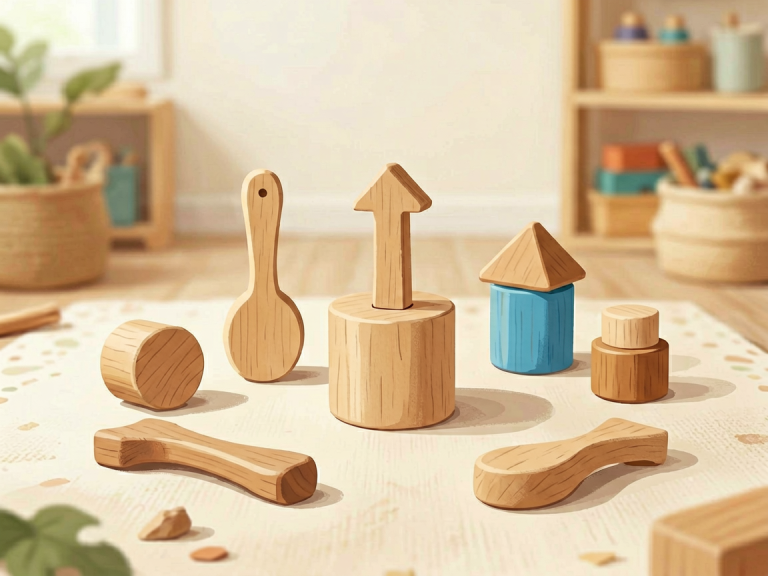
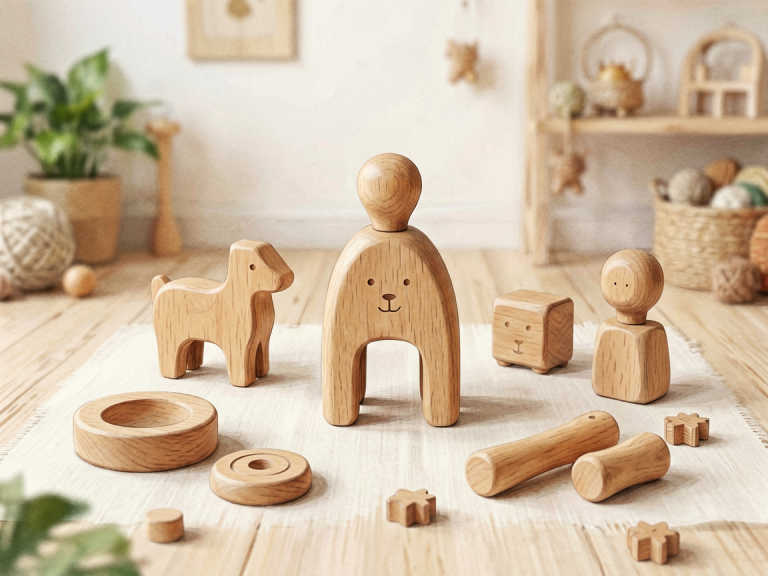
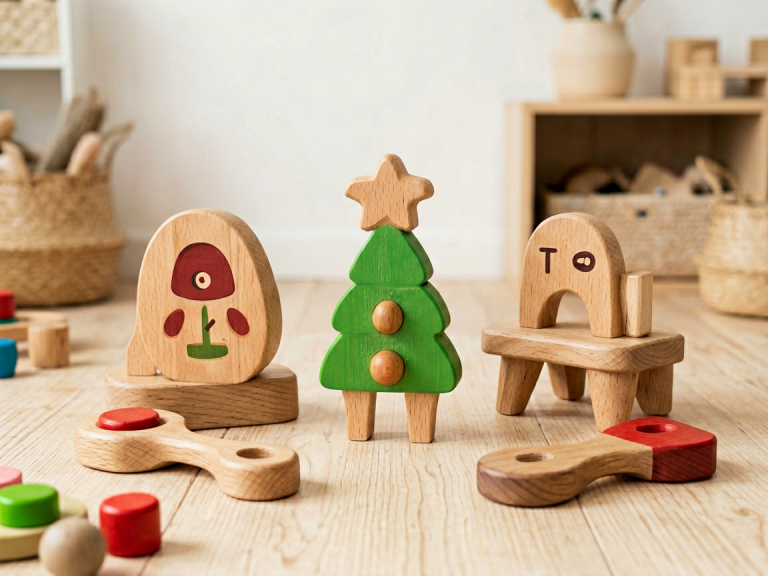
Instead of buying ten cheap plastic cars that break in a month, invest in one well-made wooden train set that can be passed down to siblings. Quality toys often have higher initial costs but offer longer life spans and richer play value. Look for brands that emphasize sustainability, such as those using FSC-certified wood or recycled materials. A few excellent toys beat a room full of mediocre ones.
3. Prioritize Experience-Based Gifts
Research shows that experiences bring more lasting happiness than material possessions. Consider gifting zoo memberships, art class vouchers, or tickets to a children’s theater. These gifts create memories, foster skills, and don’t clutter the playroom. For birthdays and holidays, suggest that relatives contribute to a “big experience fund” rather than buying more toys. Children often remember a trip to the aquarium far longer than they remember yet another stuffed animal.
4. Follow the 10-Toy Rotation Principle
You don’t need to throw away all toys at once. Instead, implement a rotation system. Keep only about 10 to 15 toys accessible at any given time. Store the rest in a closed bin or closet. Swap them out every two to three weeks. This approach keeps toys feeling fresh and novel, reduces decision fatigue, and extends the life of each item. Many Montessori-inspired families swear by this method, noting that children become more focused and creative when their options are limited.
5. Avoid “Cute” Novelty Toys and Media Tie-ins
Toys tied to movies, TV shows, or trending characters are often designed for rapid consumption. They rely on fleeting hype and quickly lose appeal once the next franchise arrives. Furthermore, these toys rarely encourage open-ended play—a battery-operated Elsa doll that sings one song offers far less developmental benefit than a simple doll with changeable clothes. Before buying, ask yourself: “Will my child still play with this in six months? Can it be used in multiple ways?” If the answer is no, put it back on the shelf.
6. Read Toy Reviews (But with Critical Eyes)
Online reviews are helpful, but beware of paid endorsements or trendy influencers. Look for reviews that mention durability, actual play patterns, and long-term use. Check parenting forums or independent websites like The Toy Association’s guide or Good Housekeeping’s toy tests. Also, test the toy yourself if possible—does it feel solid? Are there small parts that could be choking hazards? Your gut feeling is often reliable.
7. Involve Your Child in the Selection Process—With Boundaries
Letting children choose their own toys can be empowering, but it requires guidance. Set parameters: “You can choose one toy under $20,” or “Pick a toy that you will use to build something.” This teaches decision-making and delayed gratification. Avoid shopping when your child is tired or hungry, as impulse buying spikes under stress. After the purchase, discuss why that toy was chosen—this reinforces intentionality.
—
Conclusion: Less Is More, but Better Is Best
The modern toy industry thrives on convincing parents that more equals more love, more fun, and more development. Yet the evidence tells a different story. Buying too many toys not only harms a child’s ability to focus and appreciate but also strains the environment and your wallet. A mindful toy buying guide is not about deprivation; it is about curation. By choosing fewer, higher-quality toys that encourage open-ended play, you give your child the gift of deeper engagement, creativity, and gratitude. The next time you reach for that shiny plastic gadget, pause. Ask yourself: “Will this toy enrich my child’s world, or will it just take up space?” The answer will guide you toward smarter, more joyful purchases—and a calmer playroom.
—
*(Word count: approximately 1,080 words)*