Beyond the Glow: The Best Alternatives to Screen-Based Toys for Holistic Child Development
—
Introduction: The Digital Dilemma
In an era where children as young as two can swipe a tablet before they can tie their shoes, the ubiquity of screen-based toys has become both a convenience and a concern. While interactive apps, electronic games, and digital learning platforms offer undeniable benefits—such as quick access to information and engaging visual stimuli—overreliance on them can hinder crucial aspects of childhood development. Studies have linked excessive screen time to reduced attention spans, impaired social skills, and a decline in creative problem-solving.
But what should parents and caregivers reach for instead? The answer lies not in outright banning technology, but in curating a rich ecosystem of alternatives that foster imagination, physical activity, sensory exploration, and interpersonal connection. This article explores the best alternatives to screen-based toys, each chosen for its ability to engage a child’s mind, body, and spirit in ways that glowing rectangles never can.
—
1. Building and Construction Toys: The Architects of Creativity
Why They Outshine Screens
Screen-based games often provide pre-designed worlds where children simply react. Building toys—such as wooden blocks, magnetic tiles, or interlocking bricks—demand active creation. A child must conceptualize a structure, solve spatial problems, and physically manipulate pieces. No algorithm provides instant gratification; every tower that stands or falls is a lesson in physics, patience, and iteration.
Top Picks
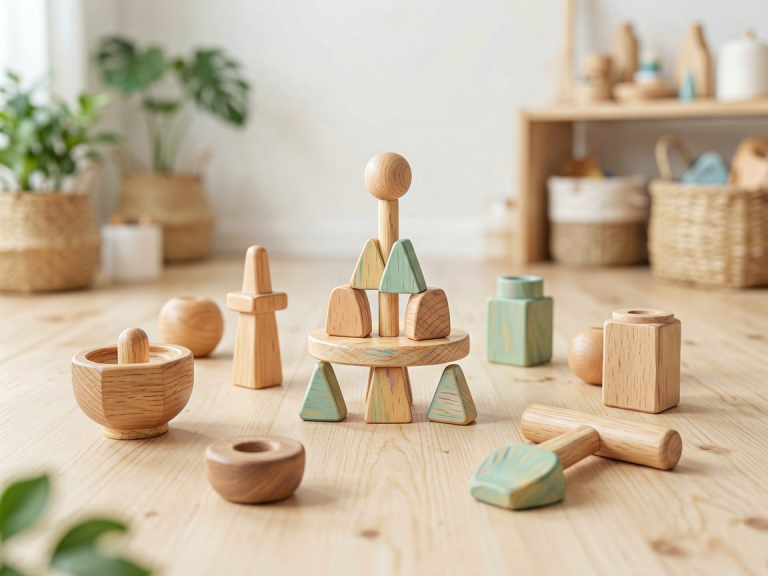
- Classic Wooden Blocks: Unpainted, natural blocks allow open-ended play. A set of 50–100 blocks can become a castle, a bridge, or a race track.
- Magnetic Tiles (e.g., Magna-Tiles): Transparent, colorful squares that snap together magnetically. They teach geometry, symmetry, and color recognition while being endlessly reconfigurable.
- LEGO or Compatible Bricks: Beyond following instructions, children can invent their own vehicles, robots, or spacescapes. The tactile feedback of snapping bricks together is deeply satisfying and promotes fine motor skills.
Developmental Benefits
- Spatial reasoning: Understanding how shapes fit together.
- Executive function: Planning and executing a multi-step project.
- Resilience: Learning that failure (a collapsed tower) is part of the process.
—
2. Art and Craft Supplies: The Canvas of the Imagination
Why They Outshine Screens
Digital drawing apps may offer infinite colors and undo buttons, but they cannot replicate the visceral experience of smearing paint, kneading clay, or tearing paper. Art supplies encourage experimentation without the constraints of a touchscreen interface. Children learn to mix primary colors to create new hues, to feel the texture of glue, and to accept that a misshapen clay pot is beautiful in its imperfection.
Top Picks
- Washable Tempera Paint and Thick Brushes: Messy? Yes. Essential? Absolutely. Painting on large sheets of paper or cardboard develops hand-eye coordination and emotional expression.
- Air-Dry Clay or Play-Dough: Squeezing, rolling, and sculpting strengthen hand muscles needed for writing. Kids can make pinch pots, animals, or abstract shapes.
- Collage Materials (scraps of fabric, yarn, buttons, leaves): A treasure hunt for textures and colors. Collage encourages storytelling—a child might create a “forest” using green felt and twigs.
Developmental Benefits
- Sensory integration: Touching different materials stimulates neural pathways.
- Emotional regulation: Art provides a non-verbal outlet for big feelings.
- Problem-solving: “How do I make the eyes stay on this mask?”
—
3. Outdoor and Nature-Based Play: The World as a Playground
Why They Outshine Screens
No tablet can offer the crisp smell of rain, the tickle of grass, or the thrill of balancing on a fallen log. Outdoor play is arguably the most powerful antidote to screen addiction. It naturally incorporates gross motor activity, risk assessment, and a connection to living systems. Children who play outside regularly show better concentration, lower stress levels, and stronger immune systems.
Top Picks
- Sand and Water Tables: Pouring, sifting, and digging teach volume, cause-and-effect, and collaborative play. Add scoops, funnels, and toy animals for endless scenarios.
- Bikes, Scooters, and Balance Beams: Mastering movement builds confidence and physical literacy. A simple balance bike prepares a child for cycling without the need for training wheels.
- Nature Exploration Kits (magnifying glass, bug viewer, compass, field guides): Turn a backyard or park into a laboratory. Searching for ladybugs under rocks or identifying tree leaves fosters curiosity and patience.
Developmental Benefits
- Gross motor development: Running, jumping, climbing.
- Risk management: Judging how high to climb or how fast to ride.
- Environmental stewardship: Caring for plants and insects builds empathy.
—
4. Puzzles and Logic Games: The Silent Mentors
Why They Outshine Screens
Digital puzzles often include time limits, flashy rewards, or auto-advance features that reduce cognitive load. Traditional puzzles—jigsaw, tangrams, or brain teasers—demand sustained focus. A child must rotate, compare, and test hypotheses without a “hint” button. The satisfaction of placing the last piece is genuine and earned.
Top Picks
- Jigsaw Puzzles (age-appropriate piece count): From 12-piece wooden puzzles for toddlers to 100-piece scenes for older kids. They improve visual discrimination and memory.
- Tangrams and Pattern Blocks: Ancient Chinese seven-piece puzzles that form endless silhouettes. Great for geometric thinking.
- Strategy Board Games (e.g., Qwirkle, Blokus, or Camelot Jr.): These require planning and foresight. Unlike many video games, they turn into face-to-face social experiences.
Developmental Benefits
- Working memory: Holding the shape of a missing piece in mind.
- Persistence: Trying multiple approaches until success.
- Logical reasoning: Understanding that a puzzle has a single solution but many paths to get there.
—
5. Pretend Play and Role-Playing Kits: The Theater of Life
Why They Outshine Screens
Screen-based role-playing games (like digital dollhouses or cooking apps) strip away the physical components of imagination. Real pretend play involves costumes, props, and—most importantly—human interaction. A child who dons a doctor’s coat and examines a stuffed animal learns empathy, communication, and narrative creation. No digital simulation can replace the nuance of negotiating roles with a friend.
Top Picks
- Play Kitchens and Food Sets: Plastic fruits, pots, and pans. Kids mimic adult routines, which helps them make sense of the world. They can “cook” for a family of dolls, practicing sequencing and sharing.
- Dress-Up Trunks: Old clothes, hats, scarves, and costume jewelry. A simple cape transforms a child into a superhero, a pirate, or a wizard.
- Puppets and Finger Puppets: Children as young as two can make a puppet “talk” to another puppet, practicing dialogue and emotional expression.
Developmental Benefits
- Social and emotional learning: Taking turns, resolving conflicts, and expressing feelings through characters.
- Language development: Narrating stories and using new vocabulary.
- Cognitive flexibility: Switching between different personas and scenarios.
—
6. Music and Sound-Making Toys: The Rhythm of Learning
Why They Outshine Screens
Interactive music apps can teach notes and rhythms, but they lack the organic discovery of a real instrument. When a child bangs on a drum, blows into a harmonica, or shakes a maraca, they hear immediate acoustic feedback that cannot be replicated by headphones. Making music engages both hemispheres of the brain and builds auditory discrimination.
Top Picks
- Percussion Instruments (drums, tambourines, xylophones, shakers): Perfect for toddlers who love cause and effect.
- Recorder or Simple Flute: Introduces breath control and melody.
- Kalimba (thumb piano): Portable and soothing. Kids can pick out simple tunes by ear.
- Sing-Along Microphone (non-amplified); Encourage singing without auto-tune.
Developmental Benefits
- Auditory processing: Distinguishing between different pitches and tempos.
- Motor coordination: Tapping, blowing, or strumming requires precise movements.
- Self-expression: Music is a universal language for joy, sadness, or excitement.
—
7. Books and Storytelling Kits: The Original Portal
Why They Outshine Screens
E-books and story apps often include distracting animations or narrated voices that rob children of the chance to imagine their own images. Physical books invite a child to turn pages, point at pictures, and ask questions. A parent’s lap, a soft blanket, and a picture book create a bonding experience that a glowing screen cannot mimic.
Top Picks
- High-Contrast Board Books for Infants: Stimulate vision without overstimulation.
- Picture Books with Rich Illustrations (e.g., Eric Carle, Leo Lionni): The tactile experience of holding a book matters.
- Storytelling Cards (e.g., Story Cubes): Roll dice with pictures on them and invent a tale. Combines oral language with creativity.
- Puppets or Felt Boards for DIY Storytelling: Children can retell their favorite stories or invent new ones.
Developmental Benefits
- Vocabulary expansion: Hearing and seeing words in context.
- Comprehension: Following a plot and making predictions.
- Empathy: Relating to characters’ emotions.
—
Conclusion: Choosing Connection Over Consumption
The best alternatives to screen-based toys are not just “non-digital” versions of the same thing—they are fundamentally different in how they engage a child. They demand physical action, social negotiation, creative risk, and sensory richness. They teach children that the world is not a passive feed of images but a dynamic place to be shaped, questioned, and enjoyed.
A wooden block tower that finally stands, a muddy handprint on paper, a song played on a tiny harmonica, a hug shared during a puppet show—these moments cannot be downloaded or deleted. They are the building blocks of a whole, resilient, and imaginative human being.
As parents, educators, and caregivers, we have the privilege—and the responsibility—to curate a childhood filled with these kinds of treasures. Let us put down the tablet, step outside, and rediscover the infinite possibilities that lie in a single cardboard box, a handful of leaves, or a shared story. That is the only screen we truly need.
—
*(Word count: ~1,350)*