The Art of Enough: How to Avoid Buying Too Many Toys
In a world where consumerism screams louder than a toddler in a toy aisle, many parents find themselves drowning in plastic, batteries, and broken pieces. The average American family spends hundreds of dollars each year on toys, yet studies show that children play with only about 40% of what they own. The rest gathers dust, clutters the home, and contributes to environmental waste. But the real cost is not just financial or ecological—it’s developmental. An overabundance of toys can overwhelm a child, reduce creativity, and even undermine the ability to focus. So how do we break the cycle? How do we resist the lure of the latest gadget, the discounted set, the "educational" gizmo that promises to turn our child into a genius? The answer lies not in deprivation, but in intention. This article explores practical, research-backed strategies to stop buying too many toys—and start raising happier, more resourceful children.
—
Understand the Psychology Behind the Urge
Before we can change our behavior, we must understand why we buy so many toys in the first place. For many parents, the act of buying a toy is a proxy for love. We see a child’s face light up, and we interpret that momentary joy as proof of our affection. Advertisers capitalize on this emotional shortcut, flooding us with images of happy children clutching new possessions. Moreover, guilt plays a powerful role. A working parent who misses a school play may overcompensate by buying a pricey toy. A grandparent who lives far away may ship boxes of gifts to stay relevant. Recognizing these emotional triggers is the first step. When you feel the urge to buy a toy, pause and ask yourself: *Am I buying this for my child, or for my own sense of adequacy?* By separating love from stuff, you begin to see that a hug, a shared story, or an afternoon in the park is far more valuable than any plastic object.
—
Set Clear Boundaries with a Toy Philosophy
The most effective way to avoid buying too many toys is to establish a family-wide toy philosophy. This is not a rigid set of rules, but a shared understanding of what toys enter your home and why. Start by defining your values. Do you prioritize open-ended play (blocks, art supplies, dress-up) over single-purpose electronic toys? Do you emphasize quality over quantity? Do you believe that fewer toys foster deeper engagement? Write these values down and discuss them with your partner, your children (if they are old enough), and even well-meaning relatives. For example, you might declare: “We only buy toys that inspire creativity, require active participation, and are built to last.” Once you have a philosophy, it becomes easier to say no at the store. You are not being cheap or mean; you are being intentional. This philosophy also helps during birthdays and holidays, when the pressure to accumulate is highest. Instead of a pile of gifts, suggest a “one meaningful gift” tradition, or redirect relatives toward experiences, books, or contributions to a savings account.
—
Implement a “One In, One Out” Policy
A concrete, actionable rule can transform your home. The “one in, one out” policy is simple: for every new toy that enters the house, an old toy must leave. This forces you and your child to make conscious choices. It also prevents the accumulation that leads to clutter and overwhelm. To make this work, involve your child in the process. Explain that their room has a limited amount of space, and that space needs to be cared for. When you buy a new toy, sit down together and choose a toy to donate, sell, or recycle. This teaches children valuable lessons about attachment, scarcity, and generosity. They learn that it’s okay to let go of something they no longer need. It also makes them think twice before begging for a new toy, because they know they will have to sacrifice an existing one. The policy is especially effective if applied to all sources of toys, including gifts from friends and family. You can politely tell relatives, “We have a one-in-one-out rule, so if you give a gift, we’ll have to find a new home for an old toy first.”
—
Teach Children to Value What They Already Have
One of the main reasons children constantly demand new toys is that they do not fully appreciate the ones they own. Familiarity breeds boredom, and boredom breeds desire. However, you can counteract this by cultivating gratitude and deepening engagement with existing possessions. Rotate toys periodically. Keep about two-thirds of the toys in a closet and rotate them every few weeks. When a set of blocks reappears after a month away, it feels fresh and exciting again. This simple trick can reduce the desire for new things by 80%. Additionally, help children discover new ways to play with old toys. A set of wooden blocks can become a castle, a spaceship, or a race track. Dress-up clothes can inspire plays that last all afternoon. Remind your child of the joy they once had with a particular doll or car. You can even create a “toy museum” where broken or forgotten toys are displayed and celebrated before being repaired or discarded. The goal is to shift the narrative from “I need something new” to “I love what I already have.”
—
Prioritize Experiences Over Objects
Research consistently shows that experiences bring more lasting happiness than material possessions. A trip to the zoo, a baking session, a camping weekend, or a subscription to a children’s magazine creates memories that no toy can replicate. Yet we often default to buying toys because they are convenient. We hand over a toy to quiet a crying child, or buy one as a quick reward. Instead, try gifting experiences. For a birthday, instead of a pile of presents, take your child on a special outing—a train ride, a pottery class, or a visit to a museum. For a reward, offer an experience like staying up an extra 30 minutes for a board game, or a trip to the ice cream shop. Over time, children learn to anticipate and value these moments. They also begin to associate happiness with connection rather than consumption. And from a practical standpoint, experiences don’t take up shelf space. They don’t need batteries. They don’t get broken. They are the ultimate clutter-free gift.
—
Battle the Marketing Machine Together
Children are exposed to thousands of advertisements each year, many of which are designed to create pangs of desire for the next big toy. The best defense is media literacy—even for preschoolers. Watch commercials with your child and point out the tricks: the happy music, the flashy colors, the way kids are shown laughing and playing. Explain that the toy may not be as fun in real life as it looks on TV. You can even play a game called “Spot the Ad,” where you identify which parts of a show are trying to sell you something. When your child asks for a toy because “everyone has it,” talk about peer pressure and the difference between wanting something and needing it. By making advertising visible and debatable, you empower your child to become a critical thinker. And when they still beg for a toy, use a calm, consistent response: “Let’s write it on the wish list and think about it for a week.” Most desires fade within 24 hours.
—
Choose Toys That Grow with Your Child
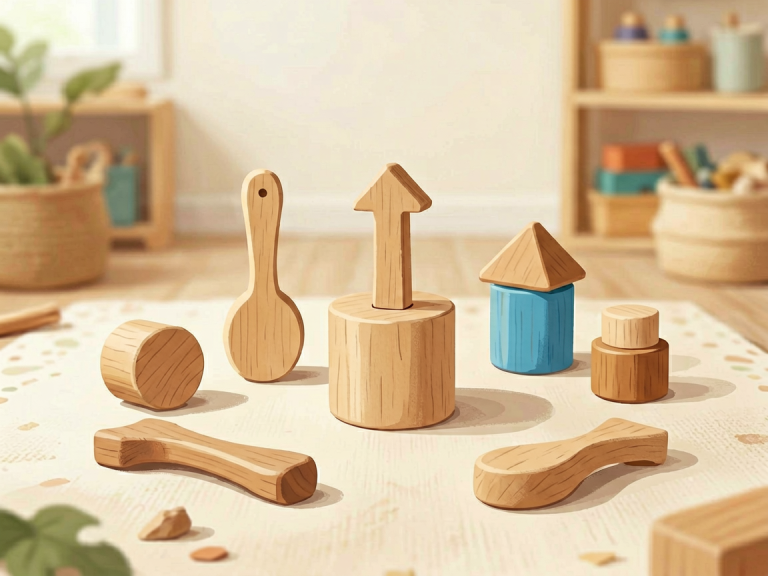
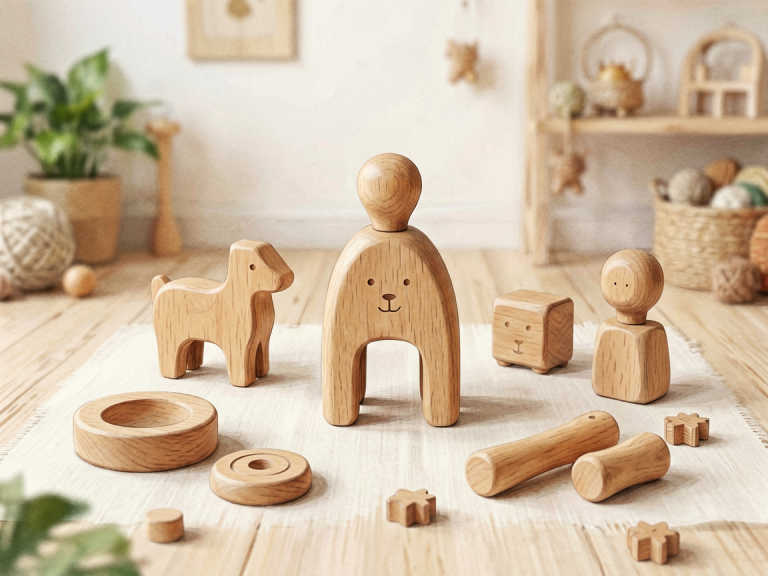
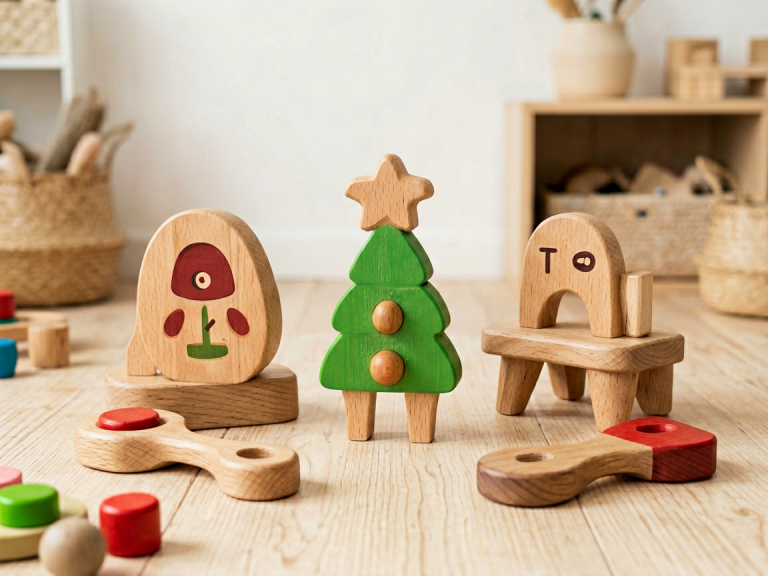
Another common trap is buying toys that are only relevant for a short developmental window. That light-up musical caterpillar may delight a six-month-old, but by twelve months it will be ignored. To avoid waste, invest in open-ended, age-spanning toys. Blocks, magnetic tiles, art supplies (crayons, clay, paper), wooden trains, dolls and dollhouses, and simple puzzles can be used in different ways from toddlerhood through the early elementary years. These toys encourage creativity, problem-solving, and motor skills across multiple stages. They also last longer physically, because they are often made of sturdier materials. When you do buy a short-lived toy, consider borrowing it from a library (yes, toy libraries exist!) or buying it secondhand. The goal is to maximize play value per item. A single set of high-quality wooden blocks can provide years of entertainment, whereas a dozen single-purpose electronic toys will be forgotten in weeks.
—
Conclusion: The Freedom of Fewer Toys
Avoiding the trap of buying too many toys is not about being stingy or denying your child joy. Quite the opposite: it is about creating a home where joy is abundant and clutter is minimal. When a child has fewer toys, they learn to play more deeply, solve problems more creatively, and appreciate what they have. When a parent stops buying impulsively, they save money, time, and mental energy. They also model a lifestyle of intentionality rather than consumption. The next time you reach for that colorful package in the store, pause. Breathe. Ask yourself: *Will this toy add lasting value to our lives, or will it become another piece of plastic in the bin?* Choose wisely, and you will discover that the best gift you can give your child is not a new toy—it is the gift of enough.